
Accurate Home Renovation Cost Estimation: Mastering Your Home Renovation Budget
Renovating a home is a significant investment. It requires careful planning and a clear understanding of costs. Without an accurate home renovation budget, expenses can quickly spiral out of control. I have learned that precise cost estimation is the foundation of a successful renovation project. It helps avoid surprises and ensures the project stays on track financially.
In this post, I will share practical insights on how to estimate renovation costs accurately. I will cover key factors that influence costs, how to plan your budget, and tools you can use to get reliable estimates. Whether you are updating a kitchen, adding a room, or remodeling your entire home, these tips will help you manage your finances confidently.
Understanding Your Home Renovation Budget
Creating a home renovation budget is the first step toward a smooth remodeling process. It involves more than just guessing the price of materials and labor. You need to consider every aspect of the project, from design fees to permits and unexpected expenses.
Start by listing all the areas you want to renovate. Break down the project into smaller tasks such as demolition, plumbing, electrical work, flooring, and painting. Each task has its own cost range depending on the quality of materials and complexity.
For example, replacing kitchen cabinets can cost anywhere from $5,000 to $20,000 depending on the material and style. Flooring options vary widely too - hardwood floors are more expensive than laminate or vinyl. Knowing these details helps you allocate funds realistically.
I recommend setting aside a contingency fund of at least 10-15% of your total budget. Renovations often uncover hidden issues like water damage or outdated wiring that require extra work. This buffer prevents financial stress when surprises arise.
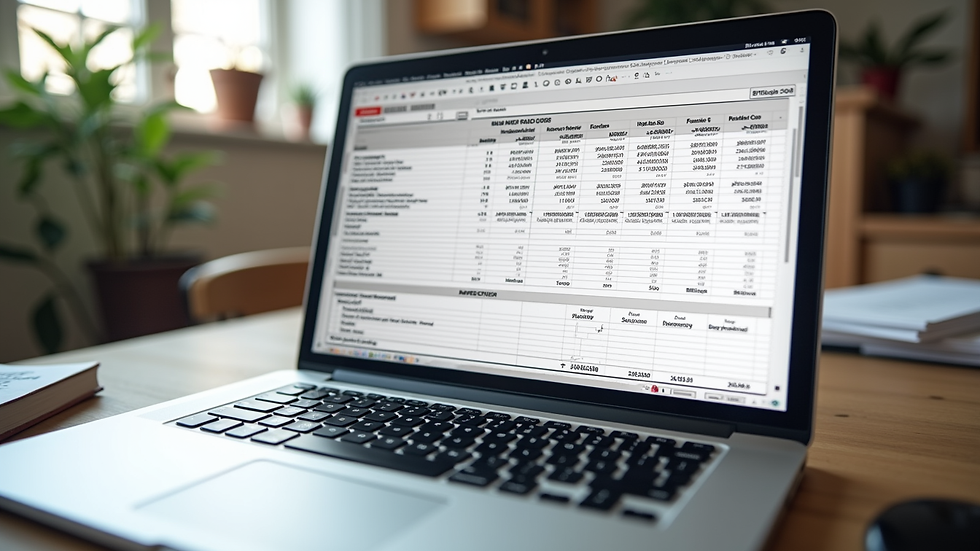
Using a detailed spreadsheet or budgeting app can keep your expenses organized. Update it regularly as you get quotes and make decisions. This practice keeps your budget transparent and manageable.
How to Use a Home Renovation Cost Estimator Effectively
A home renovation cost estimator is a valuable tool for getting a ballpark figure before you start. These online calculators ask for details about your project size, type, and location. They then provide an estimated cost range based on current market data.
While estimators are helpful, they are not exact. Use them as a starting point to understand potential costs. Always follow up with multiple contractor quotes to get precise numbers.
When using an estimator, input accurate information about your home’s square footage and the scope of work. Avoid vague descriptions like "kitchen remodel" without specifying if it includes appliances, countertops, or plumbing changes.
Compare the estimator’s results with local pricing trends. San Francisco’s construction costs tend to be higher than the national average due to labor rates and permit fees. Adjust your expectations accordingly.
Remember, the estimator does not replace professional advice. It helps you prepare questions for contractors and identify areas where you might want to save or invest more.
Is $100,000 Enough to Renovate a House?
Many homeowners ask if $100,000 is enough to renovate a house. The answer depends on the size of the home, the extent of renovations, and the quality of finishes you want.
For a modest-sized home in San Francisco, $100,000 can cover significant updates like:
Kitchen remodel with mid-range cabinets and appliances
Bathroom upgrades including new fixtures and tile
Fresh paint throughout the house
Flooring replacement in key areas
Minor electrical and plumbing improvements
However, if you plan to add rooms, change the layout, or use high-end materials, $100,000 may fall short. Structural changes and permits can quickly increase costs.
To maximize your budget, prioritize renovations that add the most value and improve functionality. Focus on kitchens and bathrooms first, as these areas have the highest return on investment.
Get detailed quotes from contractors to see what fits within your budget. You might need to phase the project over time or adjust your expectations on finishes.
In my experience, clear communication with your contractor about budget limits helps avoid overspending. A good contractor will suggest cost-effective alternatives without compromising quality.

Key Factors That Affect Renovation Costs
Several factors influence the total cost of a home renovation. Understanding these helps you plan better and avoid unexpected expenses.
Scope of Work
Larger projects with extensive demolition and rebuilding cost more. Simple cosmetic updates are cheaper but may not address underlying issues.
Materials and Finishes
The choice of materials impacts cost significantly. Custom cabinetry, natural stone countertops, and hardwood floors are premium options. Budget-friendly alternatives include laminate, engineered wood, and stock cabinets.
Labor Costs
Skilled labor in San Francisco commands higher rates. Specialized trades like electricians and plumbers add to the cost. Efficient project management can reduce labor time and expenses.
Permits and Inspections
Local regulations require permits for many renovation types. Permit fees vary by project size and complexity. Failing to get permits can lead to fines and costly rework.
Unforeseen Issues
Older homes often have hidden problems such as mold, asbestos, or outdated wiring. These require remediation and increase costs.
Design and Engineering Fees
Hiring architects or designers adds upfront costs but can save money by preventing mistakes and improving project flow.
Project Timeline
Longer projects increase labor and overhead costs. Delays due to material shortages or weather can add expenses.
By factoring in these elements, you can create a realistic budget and timeline. Always ask your contractor for a detailed breakdown of costs before signing any agreements.
Tips for Staying on Budget During Renovation
Sticking to your home renovation budget requires discipline and proactive management. Here are some strategies I recommend:
Get Multiple Quotes
Don’t settle for the first estimate. Compare at least three contractors to find the best value.
Prioritize Needs Over Wants
Focus on essential repairs and upgrades first. Luxury features can be added later if budget allows.
Choose Standard Sizes and Materials
Custom items cost more and take longer to produce. Standard sizes reduce costs and speed up installation.
Communicate Clearly
Keep open lines of communication with your contractor. Address changes immediately to avoid costly delays.
Monitor Progress Regularly
Visit the site often to ensure work matches plans and quality standards.
Plan for Contingencies
Use your contingency fund wisely. Don’t dip into it for non-essential upgrades.
DIY Where Possible
If you have skills, consider doing simple tasks like painting or demolition to save money.
By following these tips, you can control costs and complete your renovation successfully.
Final Thoughts on Managing Your Home Renovation Budget
Accurate home renovation cost estimation is crucial for a successful project. It requires detailed planning, realistic expectations, and ongoing management. Using tools like a home renovation cost estimator can help you start with a clear financial picture.
Remember to consider all factors that affect costs, including materials, labor, permits, and unexpected issues. Set a contingency fund and prioritize your renovation goals. Communicate openly with your contractor and monitor progress closely.
With careful budgeting and smart decisions, you can transform your home without financial stress. A well-planned renovation not only improves your living space but also adds lasting value to your property.
Invest time in your budget now to enjoy a smooth renovation journey and a beautiful, functional home at the end.


Comments